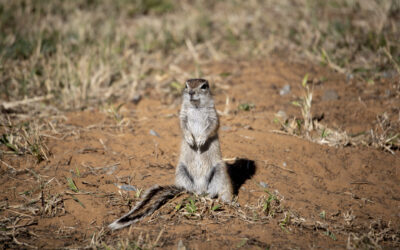
For the polar bear research of my Professor Jane Waterman, I worked in subarctic Churchill, situated next to Hudson Bay at the Churchill Northern Studies Center. This research involves non-invasive methods of establishing individual identity, body condition and whiskerprint asymmetry (a proxy for developmental environmental stress). Over the years, new methods have been developed to assess these measures in a species that is directly impacted by changing climates, and is extremely hard to study. The work included collecting photographs of whisker patterns and full body shots to add to the existing database. Read more about this work at the Northstar Science website, a student student-led research program, initiated by Dr. Waterman to facilitate engagement of the youth of the province of Manitoba. In addition to data collection, I taught ecotourists touring with the Churchill Northern Studies Center and Discover Churchill T0urs what is required for their photographs to be usable in our database. Through this ‘citizen science’ initiative, the project aims to gain more information about the Hudson Bay polar bear population, while generating more active public engagement based on the actual science.


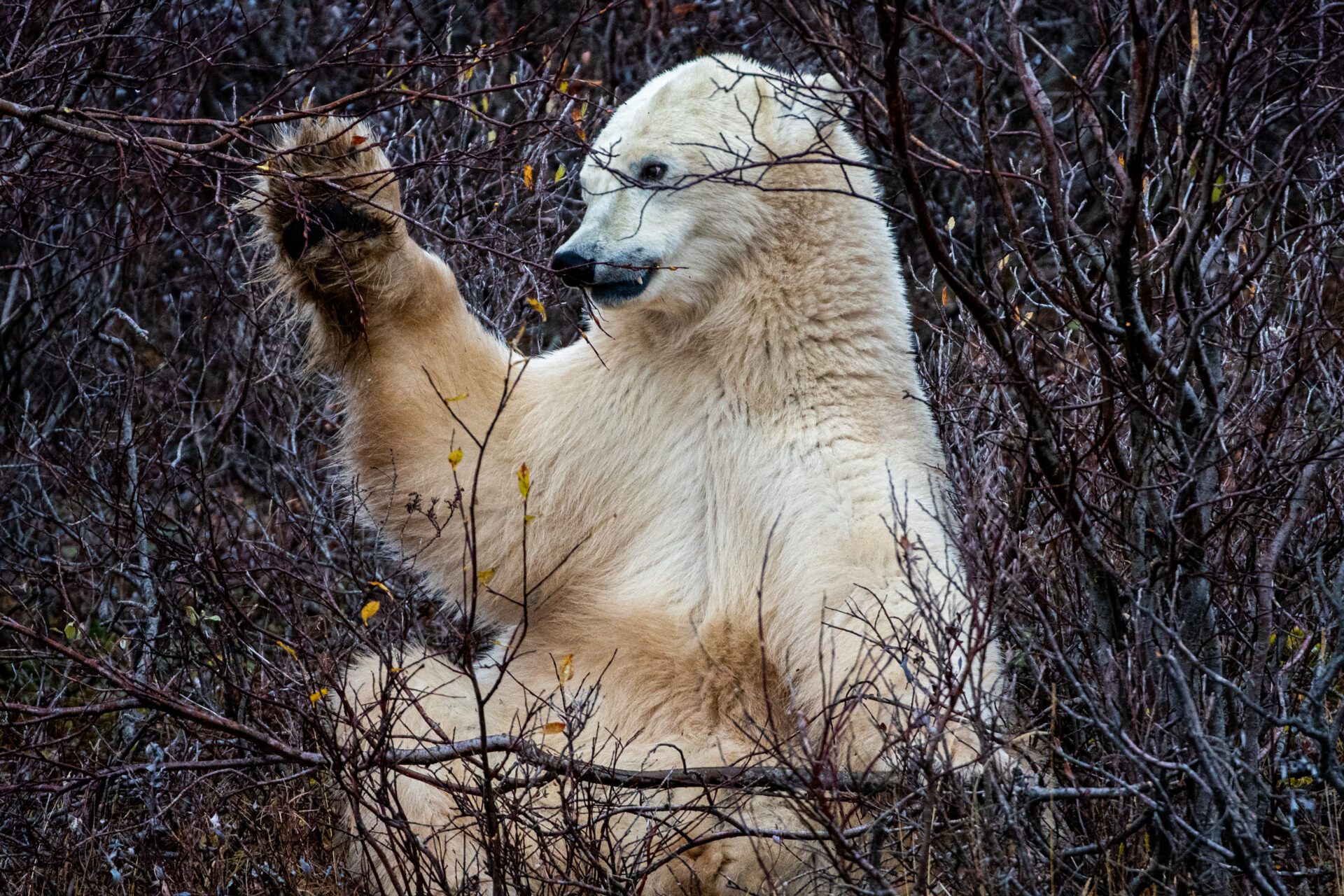
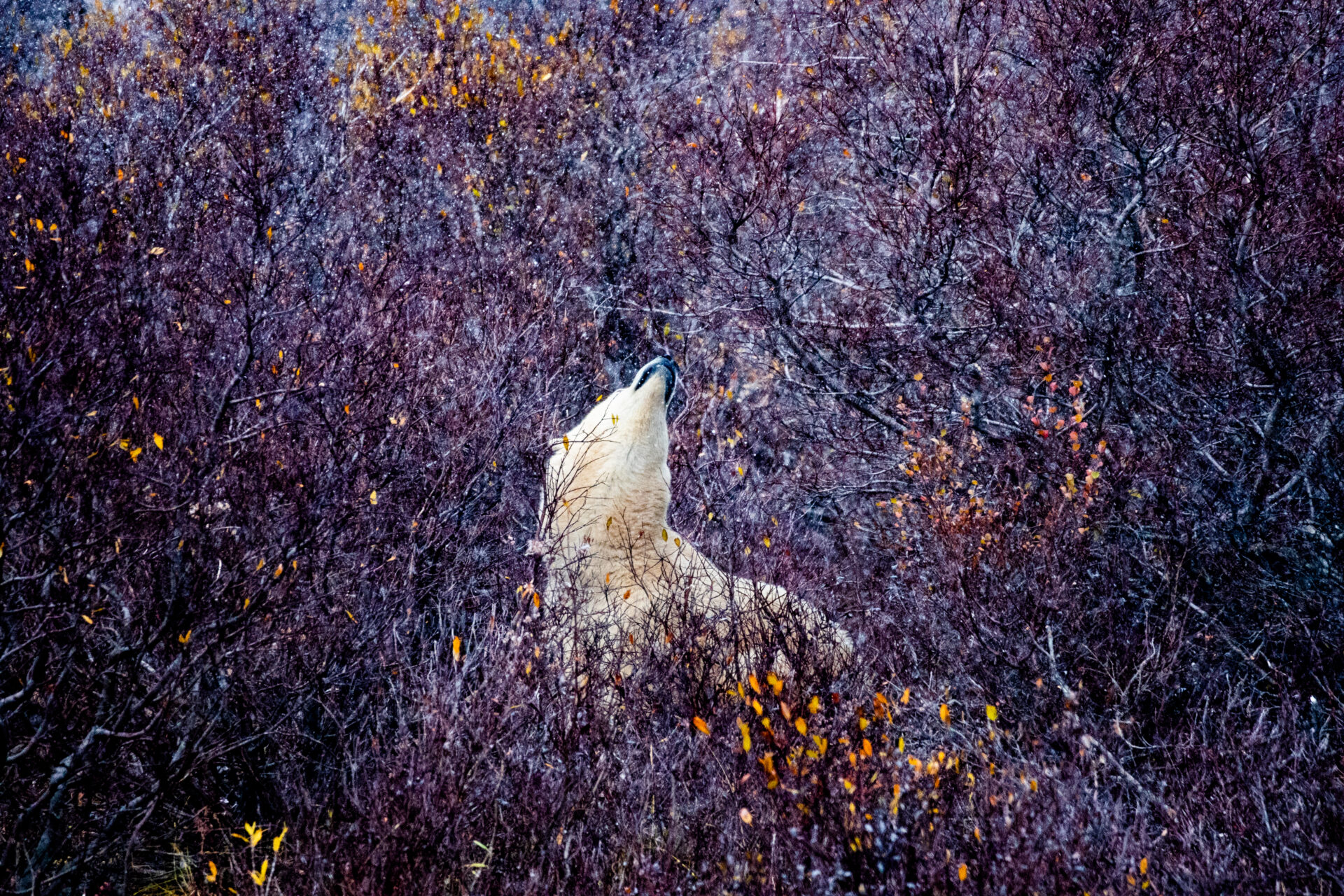
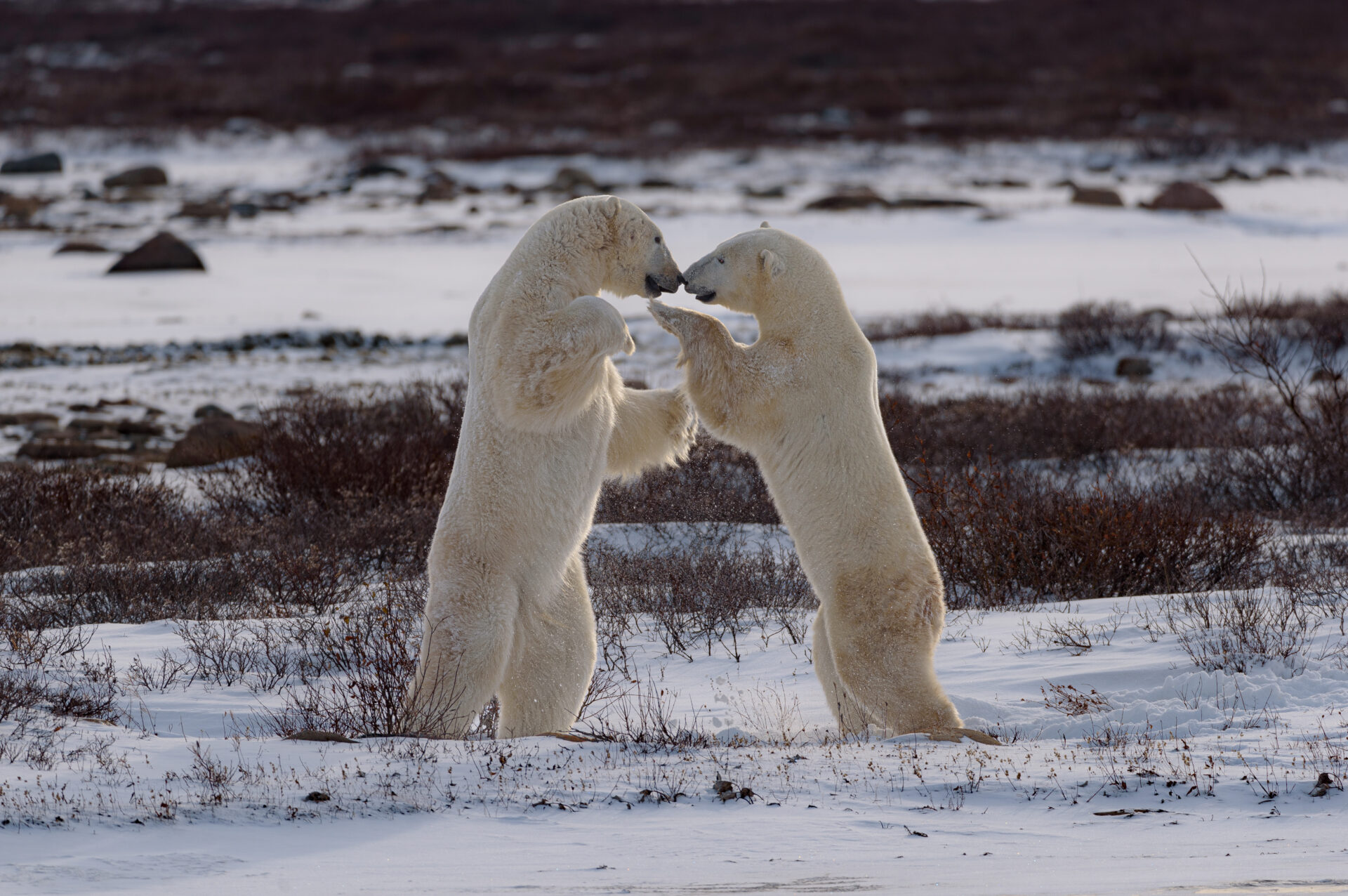

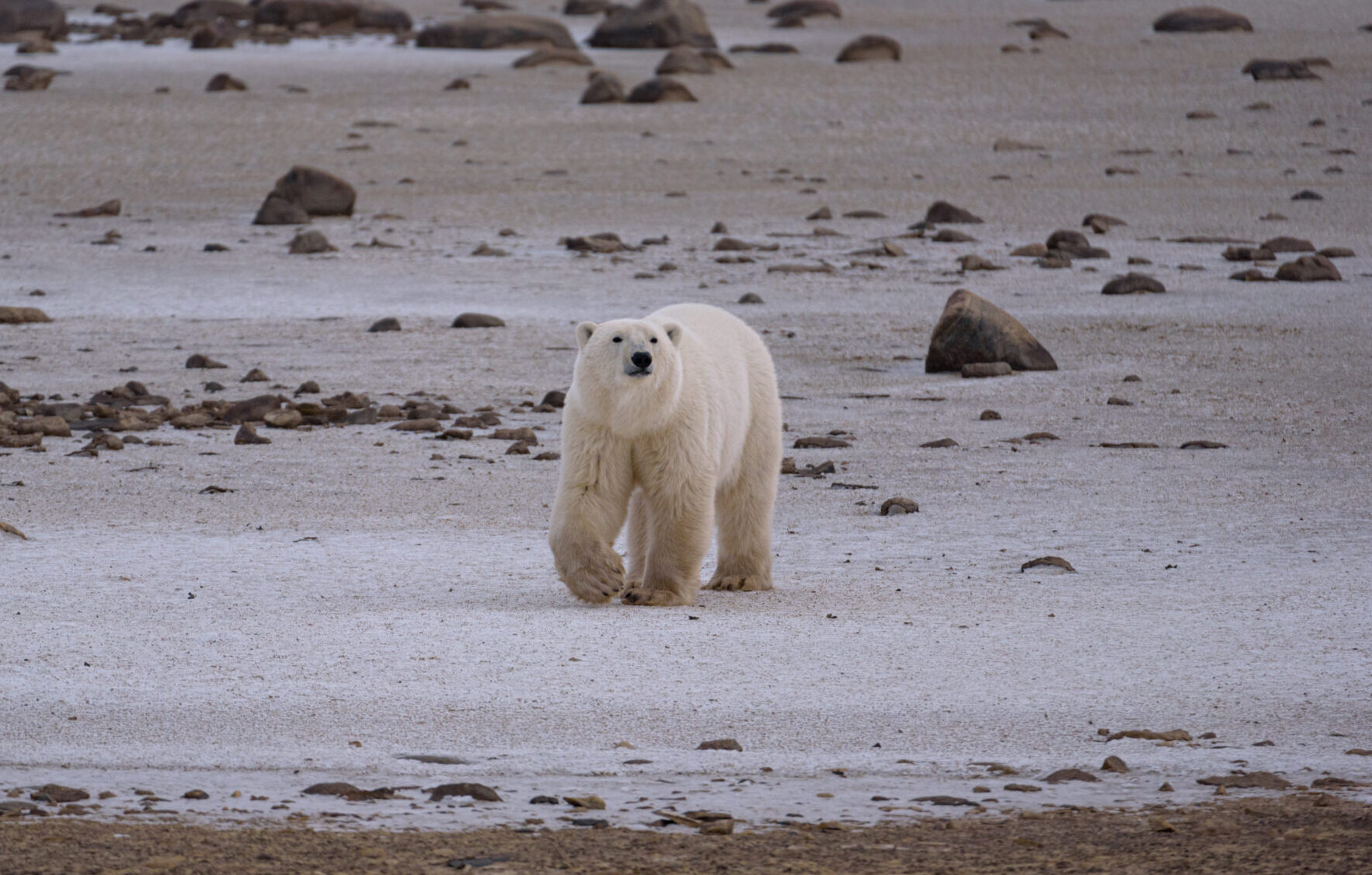


My experience in Churchill has taught me about some of the many limitations and potential solutions for working with animals in such challenging environments. It has taught me about the nuanced politics behind a ‘signal species’ that is often used to represent the state of an entire ecosystem, while at the same time being intimately connected to the cultures and economies of the local people. I have learned about different perspectives and what it takes to move the needle on some of these perspectives. Overall, I have taken with me an overwhelming appreciation for this extreme environment and a fascinating species that has adapted to the most unlikely of niches.
Want to know more about the current state of the polar bear or want to contribute? Visit Polar Bears International or Churchill Northern Studies Center.